

 0
0
 0
0
As computing infrastructure continues to evolve, thermal management has become one of the most critical aspects of data center design. High-density processors, powerful accelerators, and advanced server architectures generate significant heat that traditional air-based cooling solutions often struggle to handle efficiently. Within this ecosystem, a rack manifold plays a central role in distributing coolant effectively throughout server racks. This guide explores what a rack manifold is, how it works, and why it has become an essential element in modern cooling infrastructure.
Table of Contents
- Understanding the Rack Manifold in Data Center Cooling
- The Role of Liquid Cooling in Modern Data Centers
- How a Rack Manifold System Works
- Key Components of a Server Rack Manifold
- Benefits of Using Rack Manifolds in Data Center Cooling
- Direct Liquid Cooling and the Role of Manifolds
- Integration of Rack Manifolds with Cooling Infrastructure
- Future Trends in Rack-Level Liquid Cooling
- FAQs
- What purpose does a rack manifold serve in a liquid-cooled data center?
- How does a liquid cooling rack manifold improve cooling efficiency?
- What makes a server rack manifold important for modern computing infrastructure?
- How does a rack manifold system support direct liquid cooling technologies?
- What factors should be considered when selecting a data center rack manifold?
- FAQs
- Conclusion
Understanding the Rack Manifold in Data Center Cooling
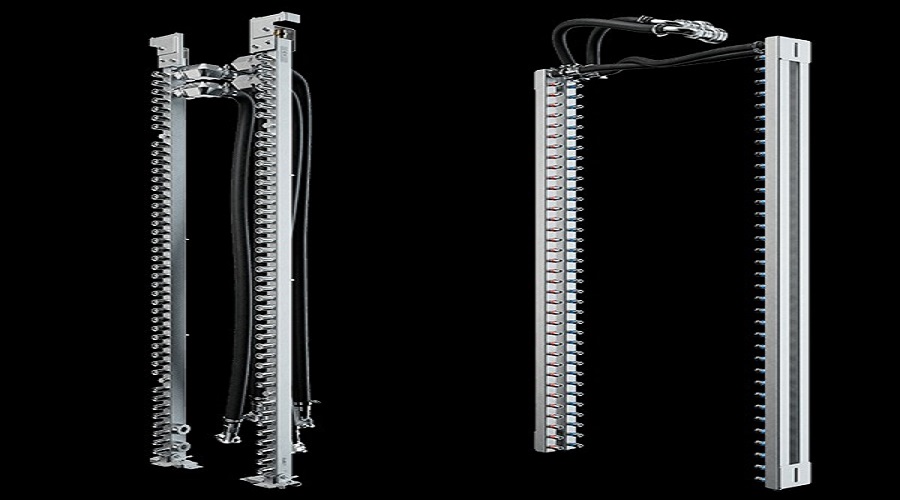
A rack manifold is a specialized distribution component used in liquid-cooled data center environments. Its primary function is to deliver coolant from a central supply line to several servers within a rack while also collecting the warmed coolant for return to the cooling system. Instead of running individual pipes from a coolant source to every server, the manifold acts as a centralized distribution hub. This approach simplifies infrastructure, improves flow management, and supports efficient thermal control across multiple computing nodes and critical data center equipment.
A typical server rack manifold includes supply and return channels, connection ports, and control mechanisms that regulate coolant movement. These elements work together to ensure that each server receives the appropriate amount of cooling fluid. By integrating a rack manifold system into the rack architecture, data center operators can manage liquid cooling at a rack level rather than relying on complex individual piping connections.

The Role of Liquid Cooling in Modern Data Centers
Modern data centers are experiencing rapid growth in computing density. Advanced processors, artificial intelligence workloads, and high-performance computing tasks generate far more heat than previous generations of hardware. Liquid cooling technologies offer a practical solution because fluids transfer heat more efficiently than air. A liquid cooling rack manifold enables this process by directing coolant to the specific areas where heat is generated.
The cooling fluid absorbs heat from server components and carries it away to a heat exchanger or cooling unit. This continuous circulation helps maintain stable temperatures while supporting demanding workloads. Many facilities now integrate liquid cooling alongside traditional methods to achieve better efficiency and reduce energy consumption.
How a Rack Manifold System Works
A rack manifold system functions as part of a larger cooling loop. This controlled distribution ensures that every connected device receives consistent cooling performance. The process generally follows several stages:
First, cooled liquid is delivered from a central cooling unit or distribution system.
Next, the liquid enters the data center rack manifold, where it is divided into multiple channels. These channels connect to liquid-cooled servers within the rack.
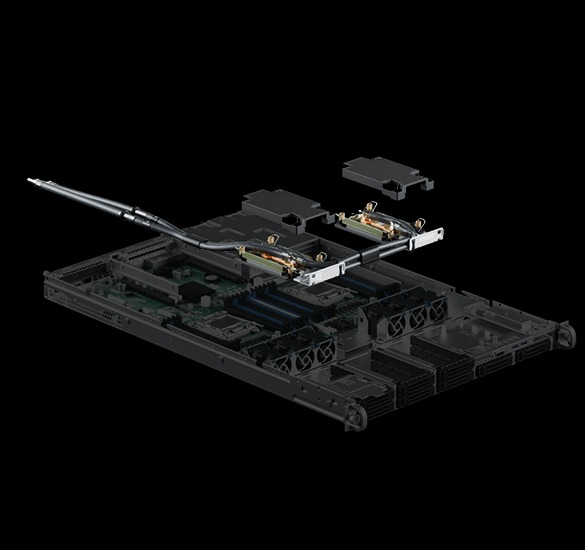
Each server receives coolant through dedicated connectors that supply fluid to cold plates or other cooling components attached to processors and accelerators.
As heat is absorbed, the warmed liquid flows back through the manifold’s return side. From there, it returns to the cooling unit, where the heat is removed, and the fluid is recirculated.
Key Components of a Server Rack Manifold
Although designs may vary depending on infrastructure requirements, most rack manifolds share several core components. These components work together to ensure reliable coolant distribution, balanced flow control, and efficient thermal management within liquid-cooled server racks.
Supply Channel
The supply channel delivers cooled liquid into the manifold from the main cooling system. It distributes coolant to each connected server within the rack.
Return Channel
The return path collects warmed liquid after it passes through the server cooling components. The fluid is then sent back for heat removal and recirculation.
Connection Ports
Ports allow servers to connect to the manifold through flexible hoses or quick-connect fittings. These connections are designed for reliability and minimal leakage risk.
Flow Regulation Features
Flow regulation mechanisms help balance coolant distribution across multiple servers. This ensures consistent performance even when workloads vary.
Monitoring and Control Elements
Advanced systems may include sensors that monitor temperature, pressure, and flow rate. These capabilities help operators maintain stable cooling conditions.
Benefits of Using Rack Manifolds in Data Center Cooling
Using a server consolidates these connections into a single distribution point, reducing infrastructure complexity. Combining a liquid-cooling rack manifold into the rack architecture offers several advantages for data center operations.
Efficient Coolant Distribution
A centralized manifold ensures that coolant reaches multiple servers evenly. Balanced flow reduces the risk of hotspots and supports consistent hardware performance.
Simplified Infrastructure
Without a manifold, each server would require separate piping connections from the cooling unit. This approach can quickly become complex and difficult to manage.
Scalability for High-Density Environments
Modern racks often contain numerous processors and accelerators that produce substantial heat. A rack manifold system makes it easier to add or upgrade servers while maintaining efficient cooling distribution.
Improved Reliability
High-quality manifolds are designed with secure connectors and durable materials. This helps minimize leakage risks and supports dependable operation over long periods.
Better Energy Efficiency
By delivering coolant precisely where needed, manifolds enable more efficient thermal management. This can help reduce energy consumption in the overall cooling system.
The Importance of Professional Electrical Services in Modern Buildings
The Growing Role of Solar Panels in Modern Energy Solutions
Why Driveway Sealing Is Essential for Long-Term Asphalt Performance
Direct Liquid Cooling and the Role of Manifolds
Direct liquid cooling technologies bring coolant close to heat-producing components such as CPUs, GPUs, and accelerators. Cold plates attached to these components absorb heat and transfer it to the circulating liquid.
This design allows facilities to support high-performance computing workloads while keeping hardware temperatures within safe operating limits. A direct liquid cooling manifold distributes coolant to these cold plates within each server rack. Because the manifold serves multiple devices simultaneously, it helps maintain balanced flow across the entire rack.
Integration of Rack Manifolds with Cooling Infrastructure
Integration requires careful planning to ensure compatibility between flow rates, pressure levels, and coolant types. Engineers must also consider factors such as rack layout, server density, and maintenance accessibility. The data center rack manifold operates as part of a larger cooling architecture that may include distribution units, pumps, heat exchangers, and monitoring systems.
Organizations like CoolIT Systems focus on developing advanced liquid cooling technologies that integrate seamlessly with rack-level distribution components. Their solutions help enable efficient cooling strategies for modern computing environments.
Future Trends in Rack-Level Liquid Cooling
As computing demands continue to grow, the importance of efficient cooling infrastructure will increase. Rack-level liquid cooling solutions are expected to become more widely adopted because they support higher performance densities and improved energy efficiency. Future innovations may include smarter monitoring systems, enhanced materials, and modular manifold designs that simplify deployment.
FAQs
What purpose does a rack manifold serve in a liquid-cooled data center?
A rack manifold serves as a distribution hub, directing coolant to multiple servers within a rack. Instead of running separate cooling lines for each device, the manifold centralizes the supply and return channels.
How does a liquid cooling rack manifold improve cooling efficiency?
A liquid cooling improves efficiency by controlling the distribution of coolant throughout the rack. Balanced flow ensures that every server receives sufficient cooling, preventing localized heat buildup across Alberta.
What makes a server rack manifold important for modern computing infrastructure?
Modern servers often run intensive workloads that generate significant heat. A server allows operators to distribute coolant effectively to several systems within the same rack. This capability enables advanced cooling techniques such as direct liquid cooling while maintaining an organized infrastructure.
How does a rack manifold system support direct liquid cooling technologies?
In direct liquid cooling environments, coolant flows through cold plates attached to processors and other components. It supplies coolant to these cold plates and collects the heated fluid for return to the cooling unit.
What factors should be considered when selecting a data center rack manifold?
When selecting a data center rack manifold, organizations should consider several important factors. These include compatibility with existing cooling infrastructure, material durability, connection reliability, and monitoring capabilities.
Conclusion
Efficient thermal management has become essential as modern data centers support increasingly powerful computing workloads. Liquid cooling technologies provide a reliable way to manage rising heat levels, and a well-designed rack manifold plays a vital role in this process. By distributing coolant evenly across multiple servers, a rack manifold system helps maintain stable temperatures, improve energy efficiency, and simplify rack-level cooling infrastructure. To see these advanced cooling solutions in action, explore our location and experience how they optimize data center performance.


